First-in-human procedures mark a critical milestone supporting the system’s clinical development
Prana Surgical, a cultivate(MD) portfolio company, announced the completion of the first five clinical procedures using the Prana System™ as part of its early feasibility study in Australia.
The Prana System™ has been developed to enable image-guided, minimally invasive surgery, conserving healthy tissue and driving personalized treatment plans in a range of conditions, including lung cancer.
These first-in-human cases mark a significant milestone in evaluating the system within a real-world clinical environment. The procedures were performed by Dr. Gavin Wright, thoracic surgeon and Director of Surgical Oncology, at St. Vincent’s Hospital Melbourne. The patients will continue routine follow-up per study protocol.
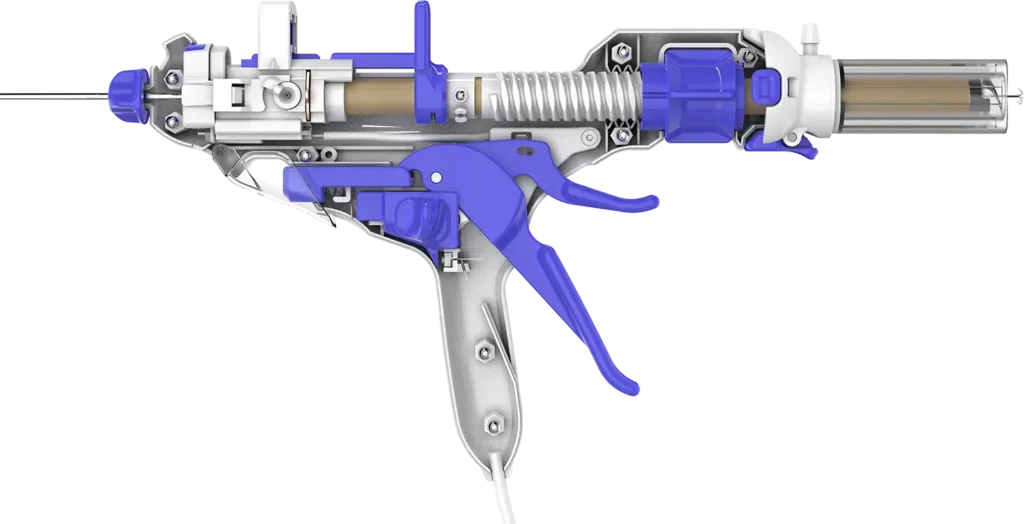
In this early feasibility study, the Prana System™ is being evaluated for its role in supporting image-guided localization and excision of small pulmonary nodules. The study will enroll up to 15 patients over an estimated 6-month period, with five patients treated in this initial cohort. The nodules in these early cases ranged from 4–10 mm and were located in peripheral segments where conventional biopsy tools often struggle to achieve accurate sampling. These first cases establish the foundation for collecting clinical data on workflow, usability, and device performance.
More than half of lung cancers are diagnosed at late stages, yet early-stage lesions, particularly those <20 mm and located peripherally, are increasingly detected through expanded screening but remain difficult to biopsy or remove safely. Conventional bronchoscopy often fails to reach these lesions, and surgical options may require removing disproportionate amounts of healthy lung. The Prana System™ aims to introduce a minimally invasive, tissue-sparing approach that may help clinicians manage these otherwise challenging nodules earlier in the disease pathway.
“The ability to complete the first procedures with this system is an important step for evaluating new options in thoracic surgery,” said Dr. Gavin Wright, primary investigator for the study. “Its integrated design and workflow offer a potential new approach for addressing small, hard-to-reach pulmonary nodules. We look forward to assessing its performance across the full study.”